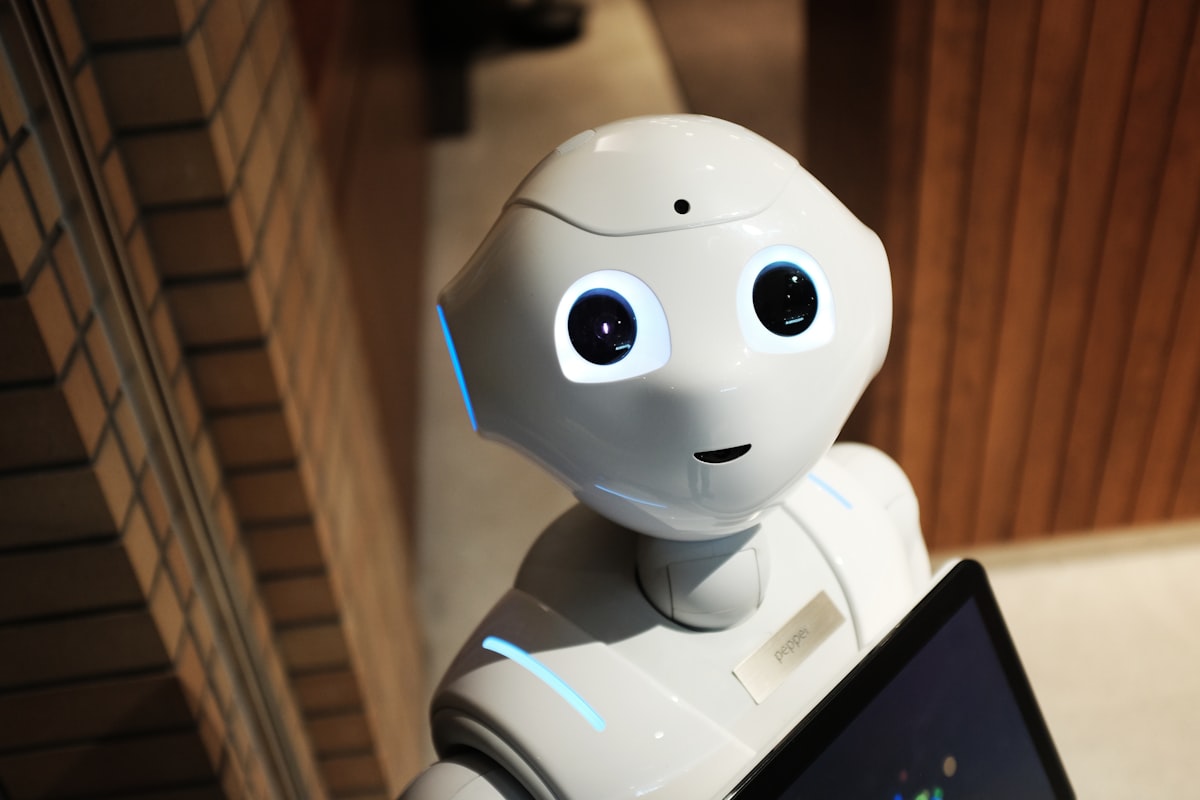
Technology moves in cycles. The exciting phase — when something is genuinely new, has captured the imagination of engineers and early adopters, but hasn't yet become a commodity — is my favorite part of this industry. I'm writing this column every year because the gap between "this is coming" and "this is here" is where most people stop paying attention. That's exactly when the interesting stuff happens.
These aren't predictions. Predictions are for people who want to sound authoritative. These are observations: patterns I'm seeing in products, research, and investment that suggest where things are going in the next 18 to 36 months. Some will hit mainstream faster than I expect. Some will stall. All of them are worth watching.
AI Wearables: The Post-Smartwatch Question
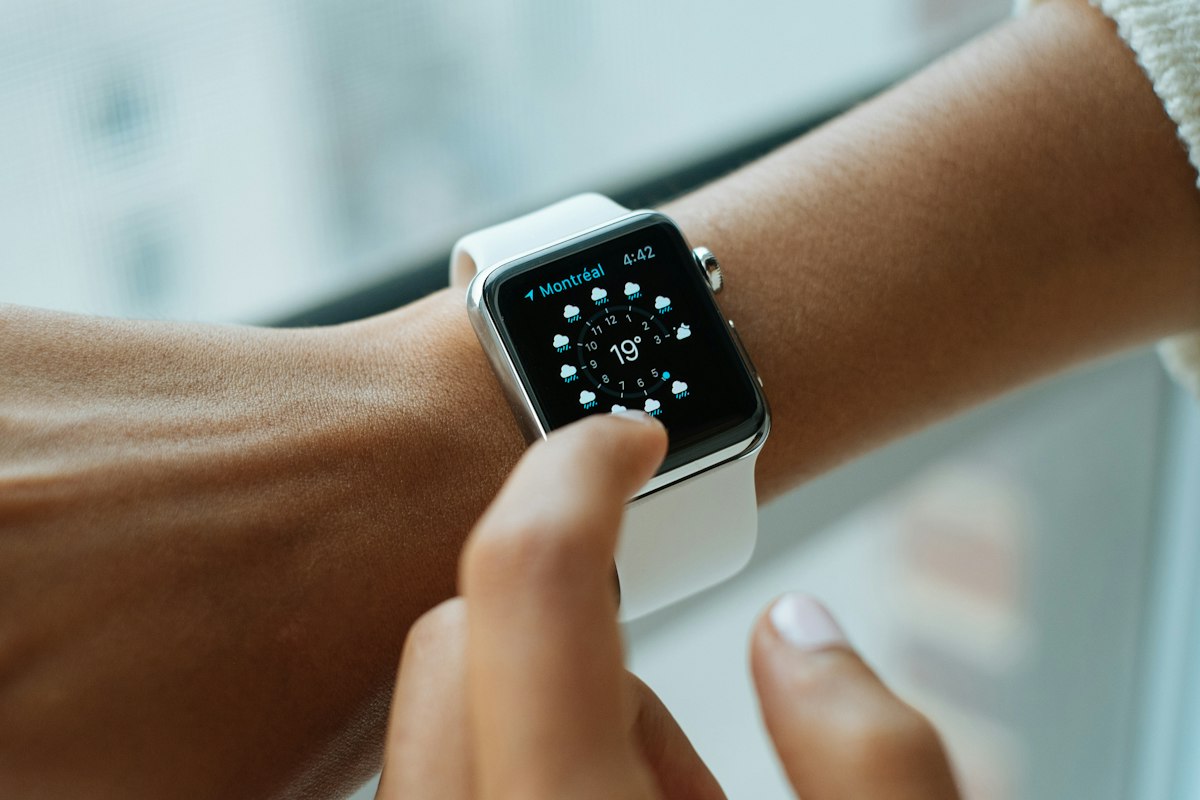
Smartwatches solved the notification problem and the fitness tracking problem. They're genuinely useful devices that hundreds of millions of people wear daily. But they're not the endpoint. The next cycle of wearables is trying to answer a different question: what if your device could understand the context of your life in a way that goes beyond steps and heart rate? Rabbit's R1 and the various AI pin devices that launched in 2024 were first attempts that stumbled. The underlying thesis — that on-device AI can provide genuinely useful assistance without requiring you to pull out your phone — is sound. The execution just needs another iteration or two. Expect serious attempts from Apple, Google, and Samsung in this space in 2026.
Solid-State Batteries: The Holy Grail Gets Closer
If there's one technology that would change more consumer devices than any other, it's better battery technology. Not incremental improvements — a genuine step change in energy density. Solid-state batteries, which replace the liquid electrolyte in conventional lithium-ion cells with a solid material, promise significantly higher energy density, faster charging, and better safety. Toyota has been promising solid-state batteries "in the next few years" for the better part of a decade. But the gap between lab results and manufacturing at scale is finally starting to close. Samsung, QuantumScape, and Solid Power have all demonstrated solid-state cells that can survive thousands of charge cycles. The consumer electronics timeline is probably 2-4 years out, but when it arrives, expect it to be the most impactful consumer technology advancement in a decade.
Local AI Running on Your Devices

The AI conversation has been dominated by cloud services: ChatGPT, Claude, Gemini — all running on remote servers, all requiring an internet connection, all raising privacy questions about where your data goes. That model is already changing. The Qualcomm Snapdragon X Elite and Apple M4 chips can run genuinely useful language models locally, without sending data to any server. This matters enormously for privacy — your conversations, your documents, your queries never leave your device. It also matters for reliability: local AI doesn't go down when OpenAI has an outage. Over the next two years, expect this to become the default for any serious productivity AI application on your laptop and phone.