
Megapixels. Lumens. THD. mAh. GHz. The spec sheets for consumer electronics are full of numbers that manufacturers use to make their products look impressive, and that consumers use to compare products without always understanding what they're actually comparing. This guide is my attempt to decode the specs that matter and the ones that don't, based on years of testing and using these products in real life.
My overarching philosophy: specs are a means to an end, not the end itself. The goal isn't to have the highest number — it's to have a device that does what you need it to do well. A spec that looks impressive but doesn't translate to real-world benefit is just marketing. A spec that looks modest but describes something that directly affects your experience is worth understanding.
Megapixels: More Isn't Always Better
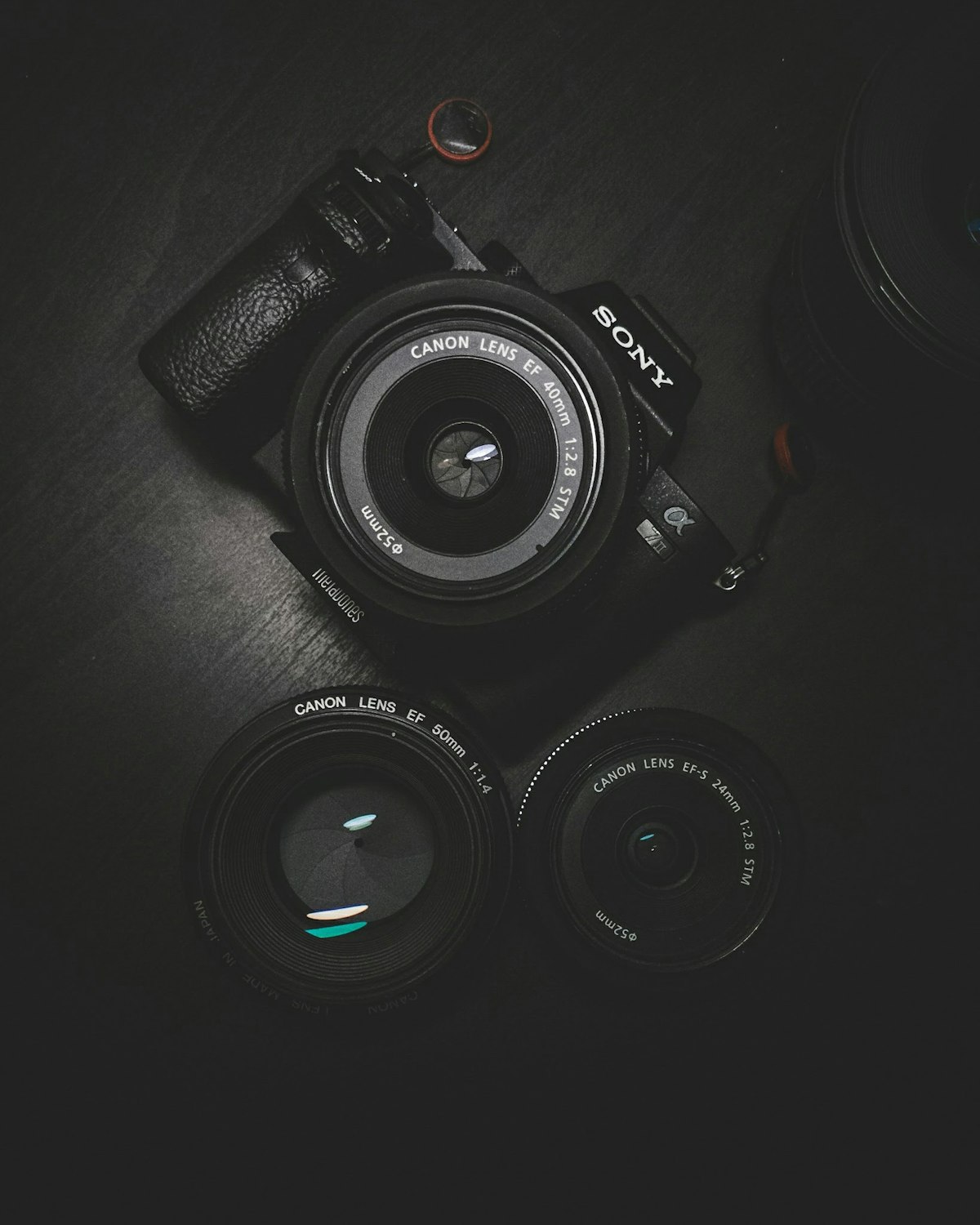
The megapixel race peaked around 2018 and has been largely irrelevant for most use cases since then. A 12-megapixel photo from a modern smartphone sensor looks dramatically better than a 64-megapixel photo from an older or cheaper sensor because sensor size, pixel quality, and processing matter far more than pixel count. For printing at typical sizes — up to 8x10 inches — you need about 10 megapixels. For most people's social media use, 4 megapixels is plenty.
The only context where more megapixels genuinely helps: cropping heavily. If you're shooting wildlife or sports where you can't get close enough, more megapixels give you more room to crop while retaining a usable image. For everyone else, it's largely irrelevant.
Battery mAh: Bigger Isn't Always Better

Milliampere-hours measure battery capacity, but they don't tell the whole story. A 5,000mAh phone battery from one manufacturer might last noticeably longer or shorter than a 5,000mAh battery from another manufacturer because efficiency of the power management system, the screen technology, the processor's power consumption, and software optimization all affect how long a battery actually lasts. Using mAh to compare batteries across different product categories or brands is like comparing engines by displacement alone — a 2.0L turbo from one car can easily outperform a 3.0L naturally aspirated engine from another.
The useful comparison is real-world battery life tests. If you want to know how long a phone or laptop battery lasts, find a real-world test — not the manufacturer's claims. AnandTech, Tom's Hardware, and Wirecutter all run standardized battery tests that let you compare products across brands.
Watts and Power Output: Understanding Volume
For speakers, home audio, and amplifiers, wattage is often misunderstood. RMS wattage (Root Mean Square, the continuous power output a device can sustain) is a more meaningful spec than peak wattage (the maximum it can handle for brief moments). But wattage alone doesn't determine how loud or good a speaker sounds — sensitivity (measured in dB/w/m) and driver quality matter equally. A 50-watt speaker with high sensitivity can easily sound louder and cleaner than a 100-watt speaker with low sensitivity. Don't buy based on wattage alone. Use the Spec Evaluator tool to compare multiple specs at once.